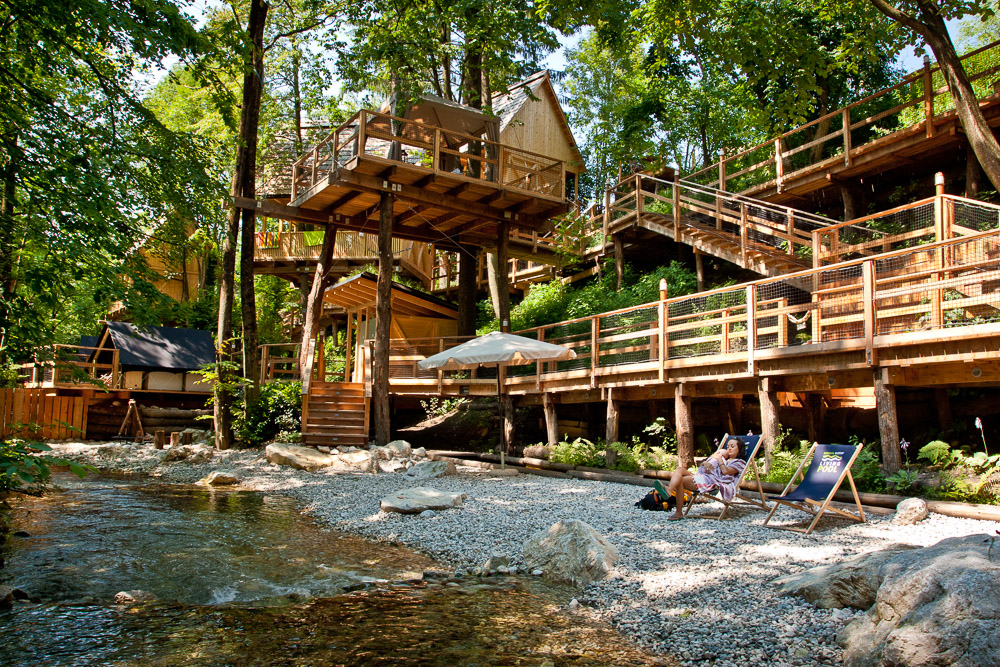
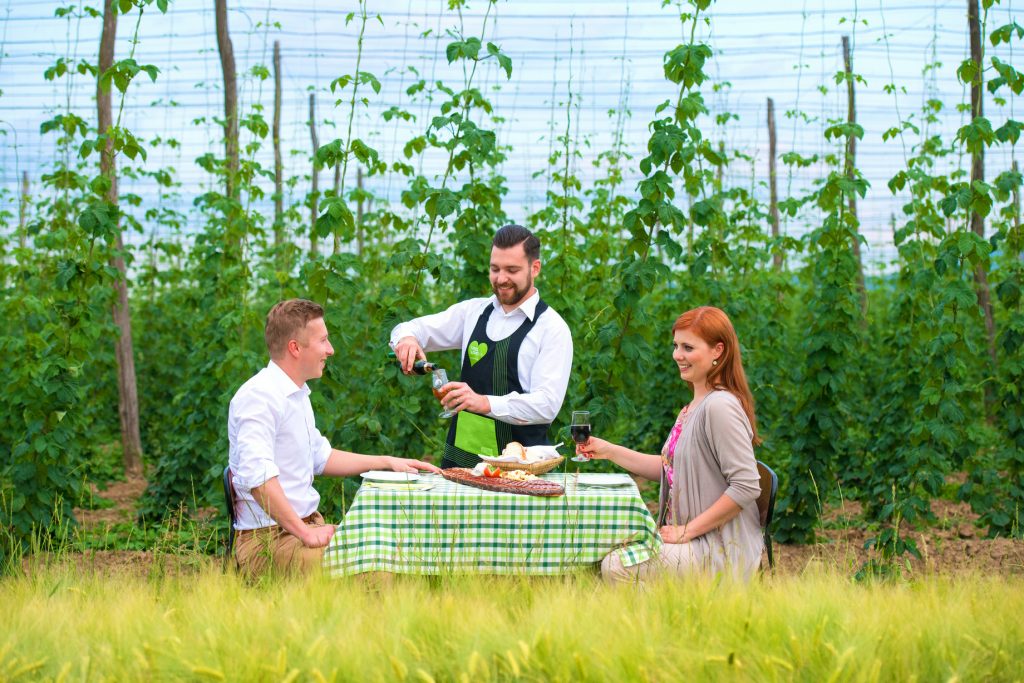
Slovenia

Youth health and summer resort

Slovenian Red Cross Youth and Health Resort Debeli rtič (Slovenia)

Introduction

Since 1956, Youth Health and Summer Resort of Red Cross Slovenia Debeli Rtič (MZL DR) has been a health center for children, adolescents, families and seniors. For many years, with a unique position, a mild Mediterranean microclimate and appropriate modern medical, therapeutic and sports facilities, we successfully contribute to the curative and prevention of the health status of children and adolescents. As part of the Slovenian Red Cross, we act in accordance with the fundamental principles and promote and promote the values of health and healthy life through practical programs of health protection and protection.

Description of the destination or original product

The health resort is situated on the most beautiful part of the Slovenian coast between Koper and Trieste, just off the coast between vineyards, in the midst of a carefully protected Mediterranean park, on seven hectares of land.

In the spa there are the Hotel Arija ***, the Bor apartments** and four youth hostels with a total capacity of 716 beds. Today, the health resort is a modern health, sports and educational and pedagogical center that develops its programs under the slogan “Where dreams grow.” Annually 15.000 children visit us. We estimate that at least half a million children visited the health resort during all years of operation. In the health resort, there are programs of spa treatment (respiratory diseases, skin diseases, injuries and operations on the locomotor system and a new program for over-fed and overweight children), health holidays, rehabilitations, schools and kindergartens in nature, sport teams’ professional trainings, kids’, adolescents’ and seniors’ holidays, educational programs and business meetings. Due to the seaside climate and the healing effects of seawater, MZL DR has the status of a natural climate spa.

Process that facilitated change and implementation

In 2013, we suffered the fall of overnight stays in traditional programs such as: spa treatment, health and social holidays. In response, we heavily focused on direct marketing in the field of educational institutions with superior and regular programs. Our main message was that MZL DR is a “classroom in nature” as it offers a unique environment for young explorers; for which the holidaying by the sea in the cultivated Mediterranean park is a real discovery. We emphasized we are distinguished by many advantages: health center, protection, natural environment and varied animation programs.

In 2014, the Football Federation of Slovenia decided to build us a football field of dimensions 20 x 40 m with the aim of encouraging children and adolescents to participate in football training. With a diverse sports infrastructure, which has developed over the years, we have become a sports center for football clubs and athletic associations. The outdoor sports infrastructure consists of a football field with artificial grass (20m x 40m), a gym track with 15 stations in the length of 1,600 m (through a beautiful park), Nordic walking trails, beach volleyball courts, a basketball court, and an outdoor 25m pool (open during the summer season). The internal sports infrastructure consists of: 25m pool with heated sea water, fitness and gym at the Arija Hotel.

In 2015, we started to expand the services of MZL DR to foreign markets. The key service we offer there is the training of Red Crosses volunteers. Every year we are visited by: the Red Cross of Germany (children’s holidays and organization of volunteer education), the Austrian Red Cross (children’s holiday), the humanitarian organization from Belgium (secondary school camp), numerous football clubs on winter preparations from Serbia. Our main goal is to present MZL DR to foreign customers/groups as a modern center for sports groups, education and other activities.

Success / failure story

The success stories of the spa can be divided into three key areas. The first area is represented by successful implementation of various rehabilitations of children from Belarus and Ukraine, which we have been carrying out for several years with the ITF Enhancing Human Security organization, and the Slovene Ministry of Foreign Affairs, as well as rehabilitation of children with diabetes, celiac disease and phenylketonuria, which are carried out by several Slovenian associations.

The second area, successful and targeted infrastructure projects, implemented through donors, include our new demonstration kitchen and renovations in youth homes. With the help of the donation of the Football Association Slovenia, we built a football field with artificial grass for all children. In 2017, we also received the UEFA Foundation for Children Fund aimed at organizing football holidays for children from Slovenia and abroad. We also develop sport programs with the help of the Kayak Association of Slovenia, which is also helping us with kayak donations. Consequently, donations and support of recognized organizations give us a constant impetus and recognition on the market.

The third area is successful organization of health and pedagogical programs. The main orientations in the pedagogical program are 24 hours care for children with the help of volunteering care takers, the program “Let’s Play Outside”, the program “Magic Forest” and swimming schools; all supported by cooperation in the field of professional programs with University of Primorska’s members (Faculty of Education, Faculty of Health Sciences and FAMNIT’s applied kinesiology) and cooperation with the UMMI Institute in the field of professional content provision for schools in nature and programs for gifted youth. In the autumn of 2017, we arranged an urban pond with abandoned non-native turtles&fish for gaining awareness of non-native and invasive species and for animation of our guests. The latter is a visionary project that we develop together with veterinarians providing project’s professional and ecological level.

Altogether, our success story is heavily based on different types of donors who have recognized our professional content and dedicated work in great numbers. With their support, the spa resort invested in the infrastructure and in the development and diversification of new programs. Due to investments in infrastructure (renovation of buildings and sports facilities) and professional new programs, in 2017 we achieved a 10% growth in the number of overnight stays, in particular sports clubs, clubs, foreign groups and other holidays of children and adolescents. Targeted marketing has brought us the visibility and increase in the number of overnight stays and the reduction of seasonality. The past results show that with the help of professional staff, MZL DR is a special institution with high added value, which actively takes care of the protection and preservation of the health of children, adolescents and other vulnerable groups. When we as an organization found ourselves in the moment of (survival) truth, it was crucial that – with a positive attitude, teamwork and integration with the environment – we developed a healthy core and demonstrated that we managed to redesign a rudimentary youth summer resort into a modern multi-purpose/customer center. In our story, it was important to intertwine the socially responsible and commercial activities, by which we proved to our donors that we are trustworthy and that each donation is targeted towards programs and infrastructure that raises the standard of service that is aimed at children, adolescents and all vulnerable groups.

Company info

Mladinsko zdravilišče in letovišče RKS Debeli rtič

Youth health and summer resort of Red Cross Slovenia Debeli rtič

Jadranska cesta 73, 6280 Ankaran

T: +386 (0)5 909 7000

E: debeli-rtic.mzl@mzl-rks.si

www.facebook.com/debelirtic

www.instagram.com/debelirtic

www.zdravilisce-debelirtic.org

Youth health and summer resort Read More »
World’s largest karst exhibition

The EXPO Cave Karst Exhibition

Introduction

Postojna Cave is Slovenia’s most famous and most-visited tourist attraction, as well as one of the largest karst monuments in the world. EXPO Cave Karst is the largest permanent exhibition on Postojna Cave and the karst features around the world, where visitors can learn everything there is to know about the origin and tourism-related development of Postojna Cave. 

Description of the destination or original product

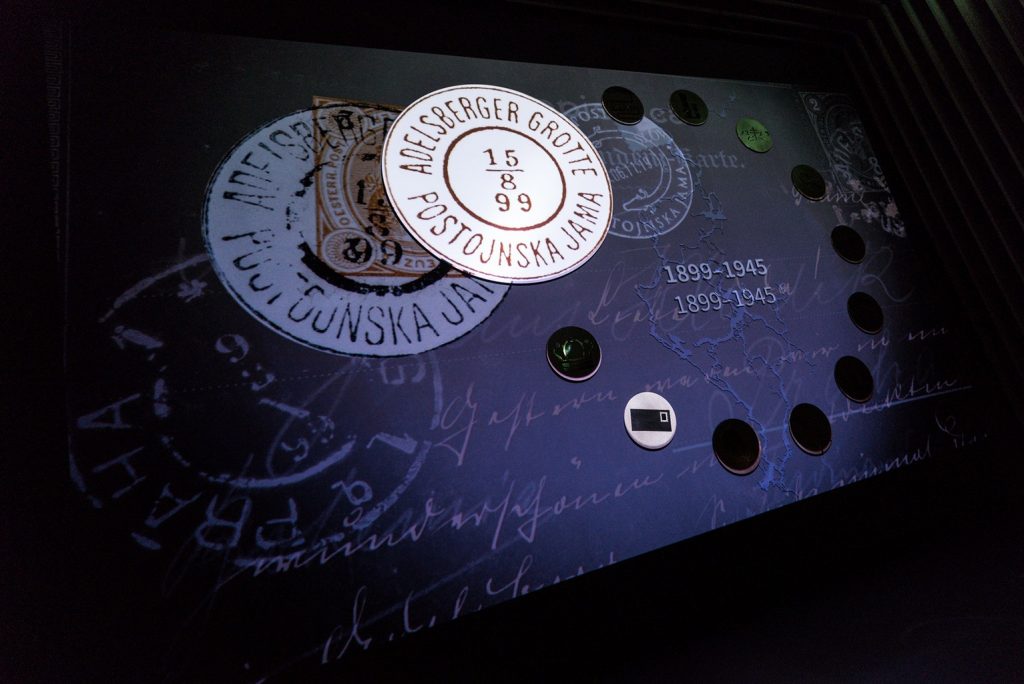
The exhibition features interactive presentations of contents that speak volumes about the formation and extraordinary history of the tourism development of the most famous show cave in the world (more than 38 million visitors). Visitors get to learn about the karst and karst features through projections of various contents onto a three-dimensional model, discover the peculiarities of the karst environment and learn about all superlatives and milestones attributed to Postojna Cave on the Wall of Fame.

The exhibition is of interest to visitors who are not familiar with the karst or caves and to experts alike. Special attention is devoted to children, who are guided through the exhibition interactively by an olm and a slenderneck beetle, and can even try their hand at driving a one-of-a-kind cave train. Fun and interactive.

Process that led recognition that change was necessary

The company Postojnska jama d.d., which manages Postojna Cave, Slovenia’s most-visited tourist attraction, had the option of continuing to provide visitors with nothing but conventional guided cave tours for a number of years. However, the company’s management, which constantly strives for improvement and expansion of the range of products and services offered to visitors, decided to realise a century-long ambition to set up of a one-of-a-kind tribute to the karst world. In 2015, the world’s largest interactive exhibition on the karst was thus added to a wide range of available themed tours of the cave system.

The exhibition perfectly complements the Postojna Cave tours. The exhibition allows visitors to understand the complex geological history of the karst and its formation. Visiting the exhibition before they tour the subterranean passages makes it easier for them to follow the tour guides’ commentary and understand how individual cave formations in the cave are formed. However, if they see the exhibition after touring the cave, this provides them with answers to the questions that they might have thought of during the tour. Since the exhibition has been set up in a way that caters to different types of visitors, each visitor can find suitable content depending on their curiosity on the one hand and their previous knowledge on the other hand.

A tour of the exhibition and the cave, combined with other services, is part of various visitor package deals, by means of which we succeed in increasing visitors’ length of stay at the destination, and consequently also consumption per individual visitor.

The principles of sustainable development were one of the key guidelines in planning the exhibition. One of the exhibition’s subthemes is in its entirety dedicated to the interpretation of what Karst aquifers mean in terms of water supply and the degree of vulnerability of the subterranean karst world and the groundwater. This helps visitors become aware of the vulnerability of karst formations that are formed over thousands of years in closed, isolated areas.

The exhibition also includes a story aimed at uncovering the mystery of olms’ reproduction in the form of so-called “video morphing”.

Process that facilitated change

In 2018, Postojna Cave will celebrate an important anniversary, i.e. the 200th anniversary of the discovery of the most beautiful parts of Postojna’s subterranean world. The exhibition collection was thus in a way a one-of-a-kind introduction to the celebration of this anniversary, as it was opened after 111 years of ambitions and ideas of setting up a Postojna Cave museum. Since Postojna is also home to the Karst Research Institute (Research Centre of the Slovenian Academy of Sciences and Arts), which is one the world’s most important such institutes, the institute’s knowledge was combined with our experience, and the company Postojnska jama d.d. thus more than successfully accomplished its mission.

Implementation

Expo Cave Karst is an exhibition that presents the karst and Postojna Cave in terms of space and time in a modern and interactive way. It consists of three parts, i.e. the karst, the fauna and humans.

The first part of the exhibition is dedicated to the karst’s geological history and its formation, its surface and subterranean features and formations. Of course, most of the attention is devoted to the subterranean karst world – to its formation, its various forms, age, remarkableness, and its vulnerability. The key characteristics of the subterranean karst world were brought together in one place, with the most attention, as expected, devoted to Postojna Cave, the queen of all caves. Karst aquifers supply drinking water to no less than half of Slovenia. Therefore, one of the important topics addressed by the exhibition are the forms of potential pollution risks that may endanger the vulnerable subterranean world.

In addition to caves and the karst, the exhibition is also devoted to the cave fauna, to the animals that inhabit the subterranean world. It presents the extinct cave-dwelling animals, occasional cave inhabitants, as well as the real cave animals that are no longer able to survive outside caves. Not only is Postojna Cave the cradle of speleobiology – owing to the fact that the first cave-dwelling animals were discovered here, as well as the largest number of such animals, but Postojna Cave still holds the world record in terms of cave-dwelling animals’ biodiversity, and our aim was to make sure visitor learn about it. We highlighted the cave’s important place in the birth of new sciences – speleology and speleobiology.

The third and last part of the exhibition present humans in relation to caves; at first, as ice-age inhabitants, who entered caves looking for shelter, and later as explorers. Over the last 200 years, Postojna Cave has experienced tourism-related development to a more intense extent that any other cave in the world and the exhibition features the most interesting milestones and achievements of individual historical periods. In a way, Postojna Cave constitutes the history of Slovenia over the last two centuries.

Success Story

EXPO Postojna Cave Karst is an important addition to the existing range of products and services available to visitors. It has enhanced the cave interpretations with new contents previously not available to visitors. The world’s largest permanent exhibition on caves and the karst features has thus fulfilled the dreams of many cave managers and generations that had worked towards realising this idea, which took quite a long time to put into action, because museum exhibitions are not the most lucrative ventures. Postojna Cave has proven to be quite the opposite and the exhibition attracts large numbers of visitors from all over the world.

Although it is referred to as an exhibition, the EXPO Cave Karst project is setting new (Slovenian and wider) museum standards, both in terms of technology and the topics it covers. It makes visitors familiar with the subterranean karst world and the life inside caves in a one-of-a-kind way, i.e. by means of analogue and digital tools that are the fruit of Slovenian knowledge and R&D, as well as collaboration with Slovenian professional institutions.

For this achievement, Postojna Cave has received the 2017 Sejalec award for its one-of-a-kind and outstanding interpretation of natural and cultural heritage, through which it has enriched and complemented Slovenia’s best known tourist attraction.

Considering the high number of visitors and the level of their satisfaction, we believe the exhibition is a most welcome addition to visitors’ experience of the subterranean world around Postojna and in Slovenia in general. No other Slovenian museum is visited by a larger number of visitors than EXPO Cave Karst.

Company info

Postojnska jama d.d. is a company that manages the natural monuments Postojna and Predjama cave systems and the Predjama Castle. Postojna Cave, which includes all the caves of the Postojna Cave System and the Cave under Predjama Castle, is state property for which the company, as a concessionaire, pays a concession fee. A part of the concession fee is returned to the cave infrastructure in the form of investments, whereas a larger portion belongs to the municipalities of Pivka and Postojna, as well as the state. As a successful enterprise, the company contributes a large share of the concession fee to the local environment, thus improving the welfare of the local population. The company also has a contract with the Republic of Slovenia for the management of the Predjama Castle.

The company Postojnska jama d.d. continues its long-established, almost 200-year tradition of managing cave tours and events, a tradition that dates back to the early 19th century, when the cave was set up as a show cave. Since then, the cave has been toured by more than 38 million visitors. In 2016, all the sights that are managed by the company were visited by a total of over one million visitors, which equals one third of all visitors to Slovenia. The company is just as successful when it comes to the development in terms of the hospitality and hotel industry. In 2016, the company funded the renovations of the four-star Hotel Jama.

The company’s mission is to create one-of-a-kind experiences focused on natural and cultural heritage in a way that preserves the heritage for future generations. The company offers a variety of cave tours, i.e. regular cave tours, caving adventures that take small groups to non-tourist corners of the caves, educational (natural science-oriented) programmes for schoolchildren (they include seeing the cave-dwelling animals), tailor-made incentive programmes for individual groups etc. The programmes include various culinary experiences, which perfectly complement the range of services and adventures offered to visitors. 

In 2015, the company opened an exhibition on Postojna Cave and the karst – Expo Cave Karst, the largest exhibition of its kind in the world.


Postojnska jama d. d.

Jamska cesta 30

SI-6230 Postojna

Slovenia

Info:

Tel. +386 5 7000 100

info@postojnska-jama.eu

www.postojnska-jama.eu

World’s largest karst exhibition Read More »

Observation tower

Vinarium Tower Lendava (Slovenia)

Introduction

The Vinarium Lendava is a steel construction observation tower located in the wine-growing area of Lendava city in northeastern part of Slovenia neighbouring to Hungary and Croatia.  The Vinarium Lendava opened on 2nd September in 2015 and has rapidly become a favourite destination for visitors who are looking for new, authentic places where they can enjoy local experience trough view, taste and kindness of local people. The 53.5 m high tower stands at 302 m above sea level among the vineyards on the Wine-tourist road and offers scenic panoramic 360° view over the Lendava hills (Lendavske gorice vineyards) and further to the Mura river with it`s beautiful peaceful forest and all the way to flatlands and hills of Austria, Croatia and Hungary. You can reach the highest platform of the tower by a comfortable ride with the elevator or by climbing 240 steps. The Vinarium Lendava was designed by architect Oskar Virag. 

Description of the destination or original product

The Lendava hills or the Lendavske gorice vineyards spread from the village Dolga vas to the village Pince in length of approximately 9 kilometres and cover an area of 500 hectares. Almost the whole area is planted with vine. The star attraction, the Vinarium Lendava, stands in the heart of the smallest and one of the most typical Slovenian wine-producing sub-region of Slovenia – in Lendava hills close to Hungary and Croatia not far away from Austria. The tower architecture symbolises waved branches of basket and by that, it symbolizes the idea of intertwining cultures, coexistence and friendship of nations. The tower, whose construction lasted for seven months, can take up to 50 visitors who can climb the 240 prefabricated stairs or simply use the elevator. In the ground floor, one can visit a restaurant, buy souvenirs or get information at the information point. Around the tower, the local culinary and wine offer is available at the little houses or at the family run wineries, farms and restaurants. 

Process that led recognition that change was necessary

In the recent past years, the most dominant industries in Lendava were oil industry, chemical and pharmaceutical industry, metal-processing industry, light industry services and building construction. Due to the economic and negative demographic changes in the last couple of years, there was a need to boost more sustainable concept of economy. With the respect to the local economy development concept, special attention was given to the Viticulture in Lendava. Long and rich history in wine-growing and noticed interest in leisure activates like biking and hiking, preserved typical wine wine-growing landscape, cultural-ethnographic heritage and typical local culinary specialities lead to idea of re-designing the tourist offer in Lendavske gorice vineyards.  To connect all these individual touristic products there was a need to establish a connecting platform that will connect and promote these individual touristic products nationally and internationally. In our case, this connection platform has become the Vinarium Lendava. 

Process that facilitated change

Process that facilitated the change already started in 2010 with the construction of basic municipal infrastructure and placing the area of Lendava hills on the Wine-tourist road map. Despite the effort, the outcome was still resulting in fragmented concept with the lack of harmonized offer that would be available also during the weekdays (and not only on weekends). In 2013, Mayer of Municipality of Lendava mag. Anton Balažek and its team prepared project proposal with the title “The observation tower on the tourist road Lendava hills” for the project call “Regional Development Programme 2007-2013”. The construction of the observation tower started in January and finished in July 2015. The observation tower Vinarium Lendava opened on 2nd September 2015. 

Implementation Success story 

The implementation started together with the project proposal within which the business development was foreseen. Planned yearly number of visitors was 40.000 what is in average around 3.333 visitors per month. Average monthly visits, according to planned, increased in 2015 for 120 % in 2016 for 136 % and in 2017 for 148 %. Special recognition to Vinarium Lendava in terms of successful implementation is also “Sejalec”, award for most creative and innovative achievements in tourism received in 2016. Implementation in case of the Vinarium Lendava is continuous process that highlights timely planning, continuous education, cooperation and integration. Another important issue is the awareness that the implementation is a continuous rather than a closed process. Based on this, the Vinarium Lendava is becoming a unique tourist attraction that brings together cultural-ethnographic heritage (Castle, Pyramid, Typical houses, Mummy of Captain Michael Hadik, Jewish cemetery, etc.), typical local culinary specialities (bograč, perec, vine, etc.), leisure activates (hiking & biking) and festival events (Festival Vinarium). 

Company info

Vinarium Tower Lendava 
Dolgovaške gorice 229
9220 Lendava, Slovenia
Phone no.: 00386(0)1 200 98 83


Observation tower Read More »

Lodging with local touch

Lodging with local touch

Holiday houses of Slovenian Istria

Introduction

Holiday houses of Slovenian Istria is a product that arose from our enthusiasm, young-spirited character, inexperience and our desire for innovation. The basic idea we stemmed from was to offer the tourists, who come to visit the Slovenian Istria, different or alternative lodging opportunities.  Our premise was, that all hotel rooms, globally speaking, look really similar. You can be travelling to New York or Rome, and when you wake up in your hotel room it does not really give away your location at first. This is exactly what we wanted to surpass. We wanted to portray the image of Slovenian Istria to our guests in their rooms. In addition to the regular rooms and suites we decided to offer an alternative accommodation, which would be in line with sustainability principles and would become an experience in itself.

Process that facilitated change

The idea for the holiday homes was created as a result of an increased demand to enlarge the tourist capacities and as a new opportunity for adventure in Slovenian Istria, that would attract new tourists and buyers and place our small town on the tourist map of Slovenia.  They were built after four years of intensive action in expanding the existing accommodations. We were aware of the need to expand or change, which would deviate from the average and provide new experience for all. All tourist trends were pointing to the development of alternative forms of accommodation and the returning back to nature.

Implementation

The important element that we added to the houses is their story ̶ the story of Šavrinke women. Without this story, our holiday houses would only be houses with a wonderful view of the Gulf of Trieste. The story about the Šavrinke women makes these houses the central stage for the old and the new to meet, where the life stories of our grandmothers can live on and make us think about the commodities and freedoms we enjoy today and how they are not just an automatic right.

Slovenian Istria has always been considered as the crossroads of cultures, ethnicities and languages.  As a result of harsh and bad conditions for agriculture and famine, the area experienced a large exodus, particularly in the past century. Consequently, a very specific identity profile developed here, reflecting itself in the character of the Istrian people. Specifically, stubbornness, resourcefulness and the desire for a better future are the main characteristics of our grandmothers, known as the Šavrinke women. Those were brave, fearless women, who often had to take the reins, feed many and provide for the whole family. Several times per week they would make rounds to bigger cities and try to sell their produce at the best price to the city folk. They would sell anything they could gather from the neighbouring villages, and frequently, due to the strictly guarded border between Slovenia and Italy, they had to smuggle these products. In memory and honour of the brave acts these women did, we decided to name our houses after them, namely Jajčarica (Egg lady), Krušarica (Bread lady), and Mlekarica (Milk lady).

The houses imitate the old Istrian houses by design but also the colours of the façades are replicas from the times of the Second World War in Istria. They are furnished with the original antique furniture ranging from the end of the 19th century and the Second World War. Each house is also equipped with a brief historical description of Istria, the Šavrinke woman and their story.

From the very beginning, protecting the environment is one of the key tasks we set in our work.  We have implemented many regulations and practices in the working operation of the houses, such as reusing the old furniture, strict waste recycling and reducing the consumption of electrical energy and water.

Sustainability built in

The social and cultural aspects of the project are prominent primarily in its efforts for the preservation of the cultural heritage of our ancestors and the historical presentation of Slovenian Istria, readily available to all the tourists who visit the houses. It is also important to note that the project not only strengthens and facilitates the respect of traditions, it also maintains the quality of life within the local community.

Economically speaking, the project contributed in making the destination more desirable, and at the same time had a direct effect on other surrounding subjects, such as wine and olive growers, farmers, restaurateurs, tourist guides, etc. These effects are multiplicative and difficult to measure; however, they are definitely positive.

In June 2017, the Holiday houses of Slovenian Istria were, as the first accommodation of its kind in the Slovenian Istria, awarded the international Gold Travelife certificate, which covers environmental protection incentives, respecting the employees, local community and its inhabitants, and respectful attitude towards natural and cultural heritage and promoting the local population. The certificate signifies additional commitment to our work towards a sustainable development of tourism.

Success/failure story

There were numerous elements that contributed to the success of our project. First and foremost, it was the contest of the Municipality of Koper for the development of ideas, which encouraged new ideas and provided tutoring or assistance in preparing a business plan for the winner. A prerequisite for participation in this contest was applying to a tender called Snovalec, under the auspices of the Slovenian Tourist Board.

Clearly, the news of our project being the winner became public very quickly through the media and the responses of the public varied, most of them were positive, some were negative. It was uncommon to expect that a young and inexperienced businesswoman could be able to implement major projects. However, and according to the words of John Donne, no man is an island, so we managed to realize the project with the help of our families and our “Istrian stubbornness”. The award from the Snovalec tender was an important recognition for us, that also alerted the media to us and gave us the opportunity to present ourselves to the general public. This marked an important event, and the marketing effect ended up being much larger than anticipated. The story spread, gaining a big media impact.

Apart from the newly built Holiday houses of Slovenian Istria, even our previously owned standard accommodations, fit for people who are not willing to give up on the basic comfort (rooms with no electricity or bathroom), were filled thanks to the houses and their media story. We now reach full occupancy for the houses during the summer months, and during the spring and autumn they reach full occupancy during the weekends.

With the desire to achieve a higher occupancy outside of the main season and to round-up the tourist destination of Slovenian Istria, several accommodation providers joined in a tourism cooperative called Zakladi Istre d. o. o. (The Treasures of Istria Ltd.), where we are now preparing a common marketing strategy.

Future

In addition to our new accommodation offer, we now serve also the so-called Istrian breakfast. It consists of exclusively home-grown produce and products and is delivered to our houses on the agreed hours. The ingredients are bought from the local farmers and various manufacturers located across Istria. We would now like to expand this idea and deliver those breakfasts to other accommodation providers. In addition to its authentic food ingredients, the breakfast package would also include information about the cultural and gastronomic identity of Istria and suggestions for visiting local farms and attractions.

Holiday houses of Slovenian Istria is a project that will continue to live on as it does today. Surely, there is always room for improvement. The most important thing is that we take every situation as a learning experience and use that acquired knowledge in the future. In the near future, we plan to upgrade the existing houses and extend our offer, which will further enrich our destination, the Slovenian Istria.

Company info

Hiške slovenske Istre/Holiday houses of Slovenian Istria

Mateja Hrvatin Kozlovič, directress

Address: Truške 1b, Marezige, Slovenia

www.hiske.si/en

info@hiske.si


Lodging with local touch Read More »

Glamping resort

Glampro: Garden Village Bled (Slovenia)

Introduction

We are a team of creative designers, architects, engineers, marketing and other experts, developing unique projects and products in Glamping, Camping and Tourism sector. GlamPro team is the company behind some of the world’s highest ranked Glamping resorts. We are also an exclusive partner of Adria Mobil Group and as such we are in charge of design and development of innovative Glamping products.

Challenge

The challenge was to fit the resort in its urban surroundings. The location was an old abandoned Horticultural centre, placed in the middle of the settlement, which also determined the theme of the resort – Garden Village. The second challenge was designing and building the resort at the highest level. When designing the resort, we set the price to 350€/night which was unparalleled for the time since the surrounding facilities were priced up to 10x lower.

Concept

The concept of the construction and operation of Garden Village Bled is founded on innovation, green tourism, energy self‑sufficiency, and other modern principles of boutique eco-tourism. Our philosophy is to develop each project in harmony with geographic, cultural, and other characteristics of a specific environment, with an emphasis on considering landscape architecture.

The work

We started with a clean sheet of paper and did everything from scratch. From concept, design, architectural, technical, and spatial planning, to construction. From the concept of the glamping facilities to the accommodations themselves (glamping tent, tent on the peer, tree houses). Adaptation of existing and construction of new supporting facilities; marketing strategy. Garden Village Bled resort was opened in June 2014.

Key features

The resort consists of 23 unique accommodation units of four different types, which are, along with all associated support facilities, part of the architectural and landscape visual identity.

·        trees growing through the roofs of tree houses;

·        chemical‑free natural pool with self-cleaning plants;

·        unique wellness (different types of sauna, massage, and yoga under canopy, Kneipp pools);

·        ponds with fish under accommodation units;

·        private drinking water well;

·        unique restaurant in a greenhouse;

·        reception area with eco-shop;

·        lounge with fireplace;

·        children’s playground;

·        vegetable garden.

Now

The project has become globally renowned and has been a financial success since its very beginning. It was featured in world’s leading media National Geographic, CNN, etc.; positioned amongst to 10 Glamping resorts in the world.  In 2014 it was awarded Snovalec award (the most innovative idea in tourism) and in 2015 Sejalec (the most innovative and creative ideas in tourism). Each year, Garden Village Bled is visited by a large number of guest from all over the world. They are not just passers-by, they come with the purpose to stay at this resort.  The resort is 100% sold out.

Company info

Glamproteam d.o.o.

Zemljemerska 12

1000 Ljubljana

www.glampro.eu

glampro@glampro.eu

Glamping resort Read More »

Green certification scheme

Green Scheme of Slovenian Tourism – Slovenia Green

Introduction

The Green Scheme of Slovenian Tourism’s (GSST) key strategic objective is to introduce sustainable models to Slovenian tourism. All the objectives of GSST’s strategic guidelines are in line with sustainable development and demonstrate concern for the economic, social, cultural and natural environment. As a tool GSST carries out the following tasks under the SLOVENIA GREEN umbrella brand:

• brings together all efforts directed towards the sustainable development of tourism in Slovenia,

• offers tools to destinations and tourism businesses that enable them to evaluate and improve their sustainability endeavours,

• promotes these green endeavours through the SLOVENIA GREEN brand.

GSST is managed by the Slovenian Tourist Board. STB develops the scheme, offers educational support, and also establishes promotional channels in the international tourism market for the promotion of Slovenia Green destinations and service providers. Its accredited partner, Institute Factory of  Sustainable Tourism GoodPlace, has a licence to make assessments using the Green Destinations Standard and is a Green Destinations partner.

Process that led recognition that change was necessary

The Slovenian Tourist Board has pledged itself to sustainable development already in 2009 with the strategic guidelines and actions for sustainable development. In 2010, a Manual for hotels for implementation of sustainable business models was published and in 2011, a Partnership declaration for sustainable development was solemnly signed. In 2014, the national strategic guideline – Green Scheme of Slovenian Tourism – was adopted and in doing so, Slovenia has taken an important step towards the better sustainable development of the entire country. Businesses  and destinations are now guided into switching towards sustainable, i.e. green, development.

Description of the scheme

The GSST is based on global criteria, is globally recognised, and enables international comparison. It operates on two levels, level of destinations, including protected areas, and level of tourism businesses (hotels and tour operators/travel agencies). The levels are closely connected – the destination motivates key interested parties to operate sustainably and carry eco-labels, since a green destination can only be credible if it has a critical mass of certified service providers.

Destinations, protected areas and businesses undergo sustainability assessment after which they are awarded a Slovenia Green label. Processes and conditions vary, depending on the type of organization. Destinations follow a highly structured process of workshops, on-line tool, and questionnaires, a combination of Green Destination standard requirements and European Tourism Indicators System, after which they are awarded gold, silver and bronze certificates. Since the GSST is process oriented, all awarded destinations must regularly report to the manager and submit a sustainability action plan. Businesses on the other hand are encouraged to obtain one of the 6 eco labels the GSST endorses: Bio Hotels, EMAS, EU Ecolabel, Green Key, Green Globe or Travelife, after which they receive a Slovenia Green label. Protected areas can choose between 2 international labels (Europarc charter, Unesco Man and Biosphere Programme) or decide to follow the process for destinations.

Implementation

The scheme has first been implemented in Slovenia in 2015 with the first/pilot call for businesses and destinations. Two more calls followed, making it an annual event. There are already 23 destinations, 14 tourism service providers, 3 parks, and 2 travel agencies that have been awarded the Slovenia Green certificate. At the moment, another 16 destinations is in the process of obtaining the Slovenia Green label. Up to date list and other information about GSST is available here: https://www.slovenia.info/en/business/green-scheme-of-slovenian-tourism

Success/failure story

So far the story about GSST has been a story of success. Not only has the scheme been presented at numerous international conferences and occasions as the approach to systematically address sustainable tourism development, it has also won awards such as the National Geographic Destination Leadership award in 2017. Last year Slovenia underwent a sustainability assessment within the GSTC Destination Criteria and was declared the world’s first green destination, achieving 96% compliance with the criteria.

Company info

Slovenian Tourist Board

Dimičeva 13

1000 Ljubljana

Tel: +386 1 5898 55

info@slovenia.info

www.slovenia.info


Green certification scheme Read More »
Espace room

Enigmarium (Slovenia)

Thinking

 outside the room: designing unforgettable experiences

Introduction

Not only was Enigmarium® the first to open a real life escape room in Ljubljana in September 2014, five months later, we created the world’s first Escape Igloo® from real snow. Thus, literally the world’s coolest escape room earned us the Snovalec 2015 Award for innovation in tourism awarded by the Ministry of Economic Development and Technology – Tourism and Internationalisation Directorate in cooperation with the Slovenian Tourist Board and the agency Spirit Slovenija and even brought us to the semi-finals of the Sejalec 2016 Award. 

Having designed and created more than 20 unique escape games in Slovenia, Italy and Croatia and ranked among the most popular tourist attractions in cities such as Ljubljana, Zagreb and Maribor (TripAdvisor), Enigmarium® has become a trendsetter and leader in gamification in the Alpe Adria region.

Our proven ability to design thrilling experiences rich in a location’s cultural history has led to new innovations: from next generation escape rooms with a story fully incorporated into the local history in Maribor and Zagreb, Croatia to the gamification 

of an adventurous walk in the city centre (Unlock Ljubljana), to the gamification of a legendary outdoor exhibit at the Slovenian Alpine Museum in Mojstrana and even the gamification of a medieval castle in the Istrian village of Svetvinčenat in Croatia and the Ljubljana castle gamification project is about to be released in November 2017.

WHAT IS A REAL-LIFE ESCAPE ROOM GAME … AND WHY HAVE THEY BECOME SO POPULAR?

“Escape rooms are live-action team-based games where players discover clues, solve puzzles, and accomplish tasks in one or more rooms in order to accomplish a specific goal (usually escaping from the room) in a limited amount of time.

Escape rooms require teamwork, communication, and delegation as well as critical thinking, attention to detail, and lateral thinking. They are accessible to a wide range of players; in fact, the most successful teams are those that are made up of players with a variety of experiences, skills, background knowledge, and physical abilities.” 

Nicholson, Scott. (2015). “Peeking behind the locked door: A survey of escape room facilities.

Legend: Google trends: keyword search “escape room” over time

Source: Google trends

ESCAPE ROOMS TODAY

“Escape rooms are a global tourist phenomenon, with each larger tourist city today offering several if not dozens of them. Listing web pages such as Escapereviewer.com and Escaperoomdirectory.com, for instance, include more than 70 countries, with over 3,700 companies and over 8,000 rooms currently operating worldwide”. Prof. dr. Tomaž Kolar, Faculty of Economics at the University of Ljubljana;

Kolar, Tomaz (2017) “Conceptualising tourist experiences with new attractions: the case of escape rooms”, International Journal of Contemporary Hospitality Management

Description of the original product

Today (Oct 2017) Enigmarium® runs 6 escape room games in Ljubljana, 5 games in Maribor, 3 in Zagreb, 2 in Laško and one in Murska Sobota.  We are ranked among the most popular tourist activities in towns (Trip Advisor). It pays off that Enigmarium games are original, each one based on different story with unique challenges that you won’t see anywhere else, along with playful high-tech “gadgets”, developed by our Escape Lab team. We have conceived the challenges in such a way that each player has something to contribute. Not only is there no need to know a foreign language, but the game flow and the dramaturgical arc will keep the players on their toes until the very last second. We take great care that at Enigmarium® you’ll find the friendliest gamemasters who are happy to spring to players aid (if needed) and to ensure that playing our escape game becomes an unforgettable adventure! That‘s why Escape Room Center in Ljubljana and Maribor received the “Certificate of Excellence 2016 and 2017“ from TripAdvisor.

Process that led recognition that change was necessary

VISITORS TODAY

Today’s visitors to an attraction or to a city don’t want to be passive observers, they want to take part and enjoy in an active experience, an authentic experience and want the best value for the money / to pay for quality experiences.

“The evolving tourist is a hedonistic experience -seeker who is a discerning individualistic participant, seeking authentic experiences and value for money.” Prof. dr. Tomaž Kolar, Faculty of Economics at the University of Ljubljana

Kolar, Tomaz (2017) “Conceptualising tourist experiences with new attractions: the case of escape rooms“, International Journal of Contemporary Hospitality Management

FIERCE COMPETITION

Every day a new escape room opens and market is becoming oversaturated. If we wanted to stay on the top in the region, we have to constantly develop and innovate. We must research and evolve the escape room experience.

ESCAPE ROOMS WITH ADDED VALUE

That’s why in our rooms in Maribor (Hannibal, September 2015)  and  Zagreb (the mysterious case of Zagreb’s Witch, April 2016) , you travel by time machine to discover a story, ambient, challenges and amazing high-tech gadgets completely immersed in the city’s history.

We wanted to create something new for tourists who wanted to experience a real story connected with the place they are visiting. We researched Zagrebʼs history to find something extraordinary, and extracted the story from an actual historical court file about Barica Cindek, a woman accused of witchcraft in 1743. Players uncover the story of beautiful Barica, who was accused of witchcraft and sentenced to burn at the stake. They have to find the passage to the 18th century and save her.

We went through the same process in Maribor: in the city’s archive files we found a story about Dr. Hannibal Bottinoni, a provincial-ducal doctor of infectious diseases from Venice, who  was the only doctor who dared to treat people with the plague, because he had a secret recipe that kept him healthy. Players have to travel back in time to discover his secret and learn about that era in a fun way.

DECREASING NUMBER OF VISITORS TO MUSEUMS

There is an interesting fact about the visitors to museums: even though there are more foreign visitors to cities in Slovenia, the number of the foreign visitors to museums is decreasing.

Source: SURS Statistični urad Republike Slovenije (Republic of Slovenija Statistical Office) 

With that in mind, we have developed different escape games or gamification projects, which are the perfect solution for people seeking activities in which they play the main role.

Process that facilitated change

GAMIFICATION – DESIGNING UNFORGETTABLE EXPERIENCES

Gamification expands the realm in which you can apply the principles of escape room games. It is the process of taking something that already exists and integrating elements of game play into it to create a new experience that motivates participation, engagement and loyalty.

Our proven ability to design thrilling experiences rich in a location’s cultural history, such as our escape rooms in Maribor and Zagreb which are fully immersed in the history of each city, has led to new innovations and different spaces we will present below: 1) the gamification of the city centre, 2) the gamification of an exhibit at a museum and 3) the gamification of a medieval castle.

Implementation

1)      THE GAMIFICATION OF AN ADVENTURE WALK IN THE CITY CENTRE: UNLOCK®

An adventure walk in the city centre, branded as “Unlock®” becomes an interactive and challenging way to actively explore a city by combining familiar aspects of an escape room game such as puzzles, surprise twists and a locked (trademarked!) book to reveal a cityʼs unique history and forgotten secrets. Today you can play Unlock® in Ljubljana, Maribor and Zagreb, and in the popular spa and brewery town of Laško, Slovenia.

You will literally escape from a room in this completely new game with the favourite elements of an “escape room” adventure – but this time in the fresh air! On an adventurous journey through the old city centre, players will encounter 7 entertaining tests, through which they will unlock the secrets of the city history, discover the unknown, be pleasantly surprised, exclaim “Eureka!” and have a blast. 

The game is suitable for teams of two to five players and even larger groups – up to 20 groups at the same time or up to 100 players. The Participants of the Global Green Destinations Day Conference, held on World Tourism Day 2016 in Ljubljana, also had a great time.

2)      MUSEUM GAMIFICATION: A GAMIFIED TRAIL TO AN EXHIBIT AT THE SLOVENIAN ALPINE MUSEUM IN MOJSTRANA

The Slovenian Alpine Museum invited the Enigmarium® team to conceive and realise a pioneer innovation in the field of museum gamification by making “Escape to the Bivouac”, a playful adventure path added to its existing exhibit. 

It is not a classic “escape room, where the game is led by a gamemaster, but an innovative way of exploring a museum through (game)play that we have developed specifically for the project. A mountain storm is coming and you must Escape to the Bivouac. A storm is coming and the players must make it through the four challenges associated with mountaineering skills to survive.

In May 2017, the Slovenian Alpine Museum received the prestigious “Valvasor Recognition for 2016” bestowed by the Association for Slovene Museums for the project: “Escape to the Bivouac”. In September 2017, the Forum of Slavic Cultures (FSC) bestowed the museum the award for the best Slavic museum, the 4th Živa Award.

3)      MEDIEVAL CASTLE GAMIFICATION – “ESCAPE CASTLE” IN SVETVINČENAT NEAR PULA, CROATIA

In a fun-filled adventure in the beautiful medieval castle Morosini Grimani in the idyllic setting of Istria’s Svetvinčenat (Croatia), players will embark on a unique and original adventure. To top it off, the story takes place in a genuine castle and includes puzzles brimming with actual legends and historical facts all which guarantee a realistic immersive experience!

We are proud that the Municipality of Svetvinčenat entrusted our team with this innovative pioneer project of the first gamification of a castle, a project that has not only brought the castle, its walls and the local legends to life, but has enhanced the entire municipality’s offering.

This completely original (and copyright protected) project marks an innovation in the field of “escape games” – a unique upgrade and intervention that did not interfere in any way with the cultural heritage – and it allows for up to 6 teams to play simultaneously in the castle.

Escaping from a (real) castle has never been as fun as this!

Thatʼs why our next project of the gamification is taking place at Ljubljana Castle – the most visited tourist attraction in Slovenia.

Future

OUR VISION FOR THE FUTURE

Whatʼs next? While some people have been asking if the escape room trend will die out soon, we at team Enigmarium® have been asking ourselves: Where else can this gaming approach enhance our lives, our cities and cultural heritage?

We see escape rooms not only as entertainment or even edutainment but also as a powerful mechanism for groups of people to bond and enrich their communication and relations in a positive and challenging way – how can we combine funology and gamification with motivation training and teambuilding? How we can enrich our cultural heritage?

Our competitive advantage is that we are constantly innovating fresh concepts and ideas.

Besides unique solutions for the Gamification of tourist attractions, you’ll find a new escape room in Laško (August 2016). The theme is completely immersed in the city’s rich history. In the same house, where the first mug of beer was brewed, you can discover a story, atmosphere, challenges and amazing high-tech gadgets all coordinated with the brewery theme. You can use all your senses there and even learn something.

Wrap-up

The recipe for success is in: an authentic story + immersive ambient + fun and logical challenges + great game flow = AN UNFORGETTABLE EXPERIENCE

Company info

Nataša POTOČNIK

Creative Director and Co-founder, Escape Room Enigmarium®

natasa.potocnik@enigmarium.si

ESCAPE ROOM ENIGMARIUM® 

Dunajska 76 | SI-1000 LJUBLJANA, Slovenia

+386 (0) 31 33 44 88  | www.escape-room.si

References

Nicholson, Scott. (2015). “Peeking behind the locked door: A survey of escape room facilities.” White Paper. Available at http://scottnicholson.com/pubs/erfacwhite.pdf

Tomaz Kolar, (2017) “Conceptualising tourist experiences with new attractions: the case of

escape rooms”, International Journal of Contemporary Hospitality Management, Vol. 29 Issue: 5,

pp.1322-1339, doi: 10.1108/IJCHM-12-2015-0687 

__

SURS Statistični urad Republike Slovenije (SORS Republic of Slovenia Statistical Office) http://pxweb.stat.si/pxweb/Dialog/varval.asp?ma=1059913E&ti=&path=../Database/Demographics/10_culture/03_10599_museum_galleries/&lang=1

Home page Escape room Enigmarium: https://escape-room.s


Espace room Read More »

Green certification scheme

Green Scheme of Slovenian Tourism – Slovenia Green

Introduction

The Green Scheme of Slovenian Tourism’s (GSST) key strategic objective is to introduce sustainable models to Slovenian tourism. All the objectives of GSST’s strategic guidelines are in line with sustainable development and demonstrate concern for the economic, social, cultural and natural environment. As a tool GSST carries out the following tasks under the SLOVENIA GREEN umbrella brand:

• brings together all efforts directed towards the sustainable development of tourism in Slovenia,

• offers tools to destinations and tourism businesses that enable them to evaluate and improve their sustainability endeavours,

• promotes these green endeavours through the SLOVENIA GREEN brand.

GSST is managed by the Slovenian Tourist Board. STB develops the scheme, offers educational support, and also establishes promotional channels in the international tourism market for the promotion of Slovenia Green destinations and service providers. Its accredited partner, Institute Factory of  Sustainable Tourism GoodPlace, has a licence to make assessments using the Green Destinations Standard and is a Green Destinations partner.

Process that led recognition that change was necessary

The Slovenian Tourist Board has pledged itself to sustainable development already in 2009 with the strategic guidelines and actions for sustainable development. In 2010, a Manual for hotels for implementation of sustainable business models was published and in 2011, a Partnership declaration for sustainable development was solemnly signed. In 2014, the national strategic guideline – Green Scheme of Slovenian Tourism – was adopted and in doing so, Slovenia has taken an important step towards the better sustainable development of the entire country. Businesses  and destinations are now guided into switching towards sustainable, i.e. green, development.

Description of the scheme

The GSST is based on global criteria, is globally recognised, and enables international comparison. It operates on two levels, level of destinations, including protected areas, and level of tourism businesses (hotels and tour operators/travel agencies). The levels are closely connected – the destination motivates key interested parties to operate sustainably and carry eco-labels, since a green destination can only be credible if it has a critical mass of certified service providers.

Destinations, protected areas and businesses undergo sustainability assessment after which they are awarded a Slovenia Green label. Processes and conditions vary, depending on the type of organization. Destinations follow a highly structured process of workshops, on-line tool, and questionnaires, a combination of Green Destination standard requirements and European Tourism Indicators System, after which they are awarded gold, silver and bronze certificates. Since the GSST is process oriented, all awarded destinations must regularly report to the manager and submit a sustainability action plan. Businesses on the other hand are encouraged to obtain one of the 6 eco labels the GSST endorses: Bio Hotels, EMAS, EU Ecolabel, Green Key, Green Globe or Travelife, after which they receive a Slovenia Green label. Protected areas can choose between 2 international labels (Europarc charter, Unesco Man and Biosphere Programme) or decide to follow the process for destinations.

Implementation

The scheme has first been implemented in Slovenia in 2015 with the first/pilot call for businesses and destinations. Two more calls followed, making it an annual event. There are already 23 destinations, 14 tourism service providers, 3 parks, and 2 travel agencies that have been awarded the Slovenia Green certificate. At the moment, another 16 destinations is in the process of obtaining the Slovenia Green label. Up to date list and other information about GSST is available here: https://www.slovenia.info/en/business/green-scheme-of-slovenian-tourism

Success/failure story

So far the story about GSST has been a story of success. Not only has the scheme been presented at numerous international conferences and occasions as the approach to systematically address sustainable tourism development, it has also won awards such as the National Geographic Destination Leadership award in 2017. Last year Slovenia underwent a sustainability assessment within the GSTC Destination Criteria and was declared the world’s first green destination, achieving 96% compliance with the criteria.

Company info

Slovenian Tourist Board

Dimičeva 13

1000 Ljubljana

Tel: +386 1 5898 55

info@slovenia.info

www.slovenia.info


Green certification scheme Read More »

Beer fountain Žalec

Beer Fountain Green Gold: An innovative tourist product for sustainable development of tourism in Municipality Žalec (Slovenia)

  Author: Hana Šuster Erjavec, PhD, Deputy Mayor of Municipality Žalec

Introduction

Beer Fountain Green Gold is an innovative tourism product, first of a kind in the world. The originality of the idea lies in the fact that it connects our hops heritage, which is deeply rooted in the Savinja Valley, with the present time and preserves it for the future. Its uniqueness lies in the fact that the Beer Fountain Green Gold is an innovative concept of beer tasting, hops narrative stories, an attractive architectural object and perfection of technology.

Process that led recognition that change was necessary

Municipality Žalec is the 17st biggest municipality in Slovenia with the city of Žalec as an administrative, economic and political center of Lower Savinja Valley. In the Development Strategy of Žalec Municipality 2014 – 2020 tourism is recognized as an important prosperous industry. We have lots of tourist attractions but till now we were not satisfied with number of tourists visiting Žalec and the visibility of Lower Savinja Valley among tourists. In searching for a solution that would place us on the map of global tourist destinations, it was clear to everyone that we needed something exceptional, unique and connected to our hop and beer heritage. Namely Slovenia is at the 5th place in world’s hop production and the vast majority of hops comes from Lower Savinja Valley. Hops has deeply marked our valley and its habitants: economically, anthropologically and sociologically. In Žalec sites the Slovenian Institute of Hop research and Brewing, one of three in the world. Besides the Institute stands The Eco-Museum of Hop-Growing and Brewing Industry in Slovenia, which transfers our rich heritage of hop plants to future generations. The resident of Žalec was famous Simon Kukec, the father of brewing, after which the municipality named its own brand name of beer. Thus, the idea of a beer fountain, a first-class tourist attraction, which would connect our heritage with the present time and preserve it for the future and attract tourists to Žalec, was created.

From idea to implementation

The idea of a beer fountain was so outlandish that some residents of Žalec, representatives of the local community and even some media representatives did not believe in its realization. Development of a new product is associated with risk, especially if it is a product with such a high level of novelty as this. The risk cannot be circumvented, but it can be reduced and we did this by carefully developing the new product according to the marketing theory and practice. We formed a team of experts from various fields. The project team went through numerous difficulties through the time as the idea was being implemented. The biggest promotor of the product realization was the mayor Janko Kos itself. He believed in the realization of beer fountain from the beginning and supported team’s decisions all the time throughout the implementation phase. The construction of the beer fountain with a technical solution was estimated at 350,000 euros. But we didn’t want to finance the entire amount by the municipal budget, because the project was not approved by all public. We turned to entrepreneurs and businessmen of our municipality to help us raising funds. They believed in the idea of a beer fountain and saw it as an opportunity for tourism development and economic growth, so they have donated some funds. Some residents of the municipality, who considered the idea worthwhile to be realized, have also donated certain amounts. At the end, more than half of the funds needed for the project realization was collected through donations. Good motivation for realization of the beer fountain was also the recognition of Slovenian Tourist Board for the idea of beer fountain as an innovative new product in tourism. They awarded us with the prize of Creator (Snovalec) 2016 for “a successful combination of authentic local stories from the past and present, for an innovative way to carry out promotion of Žalec, Savinja Valley of Hops and Slovenia and also for successfully combining the interests of diverse public and private partners in a common project.” High visibility in domestic and foreign media (BBC, Daily Mail, Lonely Planet, Food & Wine, New York Post …) already during the implementation phase has also helped us a lot, especially in building awareness of the fountain by the target audience. The construction work started in April 2016 and in accordance with the timetable the Grand opening of the Beer Fountain Green Gold was on 6th September 2016 on the Municipality day.

Description of the product

A fountain is symbolically designed as a Hop umbel, expressed in two semicircles or fountains: beer fountain and water fountain. We have a slogan: “in the embrace of green gold”. Both Fountains symbolically embrace themselves. A visitor buys a special beer mug under which there is a chip with an information that beer can be filled 6 times with an amount of 1 deciliter. The special beer mug is designed by world-renowned designer Oskar Kogoj (he is also our honorary citizen) and can be taken home. All selected beers at the beer fountain are brewed with Slovenian hops.

Successful story and further development

The Beer Fountain Green Gold was succinctly described by the largest publisher of travel guides Lonely Planet as: “The small town of Žalec in eastern Slovenia is planning to put itself on the map by building Europe’s first beer fountain”. Marketing activities with good public relations helped us that during the first season which lasted only 2 months (the Fountain is closed in winter) we have sold 36.136 mugs, and more than 94.000 until October 2017. We have planned to sell about 6.000 mugs in one year, so we have enormously exceeded our expectations. As the mayor of Žalec Janko Kos said: “The number of mugs surpassed our most optimistic forecasts. However, we did not overestimate that the Fountain will become a magnet for other tourist providers, souvenir makers, caterers and tourist workers, will raise local economy and become a flagship of tourism in the Lower Savinja Valley”. The Beer Fountain Green Gold has become the basis of a broad, wide and innovative tourist offer of the Žalec Municipality and a basis for the economic growth and prosperity of its citizens. It has become an inspiration for everybody who is looking for a business opportunity in realizing innovative ideas, confirmed by Slovenian Tourist Board award Sower (Sejalec) 2017, following the previous Creator (Snovalec) 2016 award. With implementing the beer fountain, we have proved that even the most unusual idea can be realized, only if you are brave, pervasive and you trust in your knowledge and intuition.

Organization info

Žalec Municipality www.zalec.si glavna.pisarna@zalec.si Ulica Savinjske čete 5, 3310 Žalec, Slovenia t: 03 713 63 20

Beer fountain Žalec Read More »

We use cookies to give you the best online experience. By agreeing you accept the use of cookies in accordance with our cookie policy.

Privacy Settings saved!
Privacy Settings

When you visit any web site, it may store or retrieve information on your browser, mostly in the form of cookies. Control your personal Cookie Services here.

These cookies are necessary for the website to function and cannot be switched off in our systems.

In order to use this website we use the following technically required cookies
  • wordpress_test_cookie
  • wordpress_logged_in_
  • wordpress_sec

Decline all services
Accept all Services